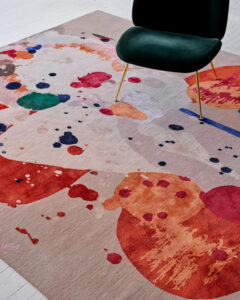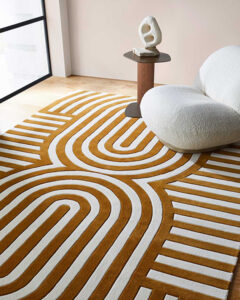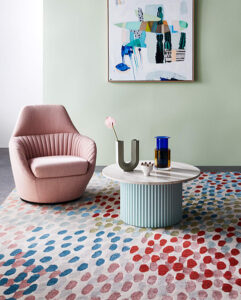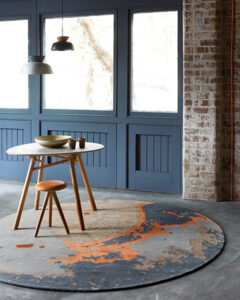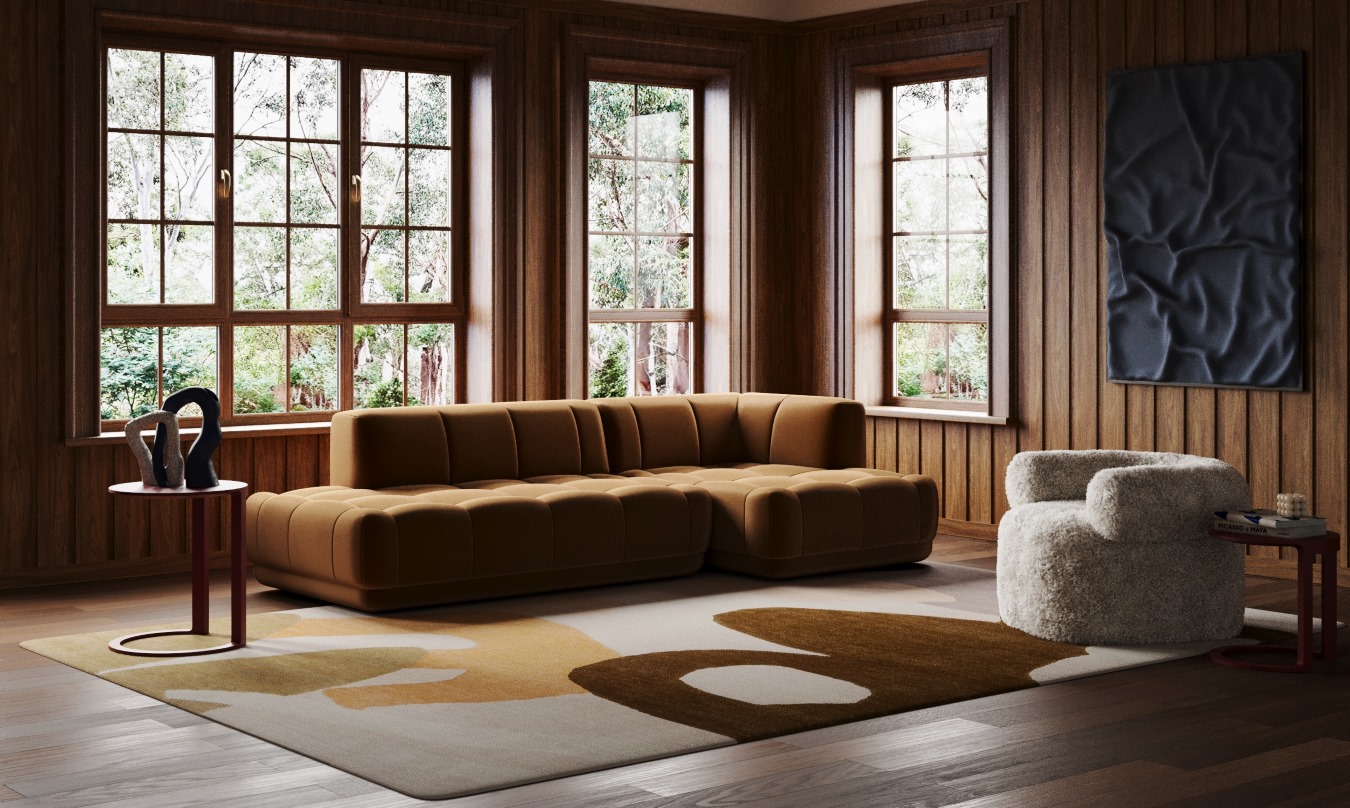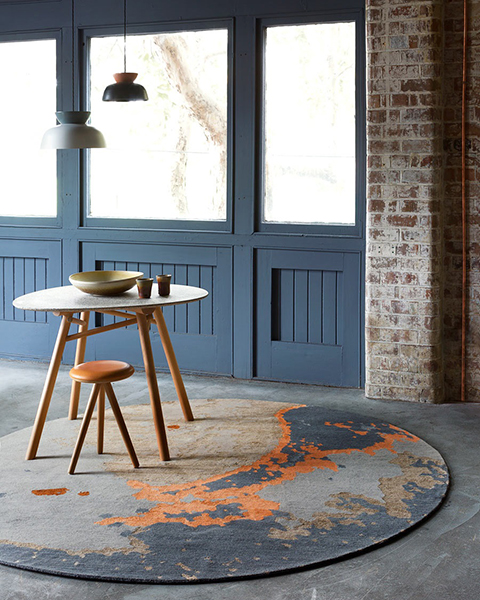
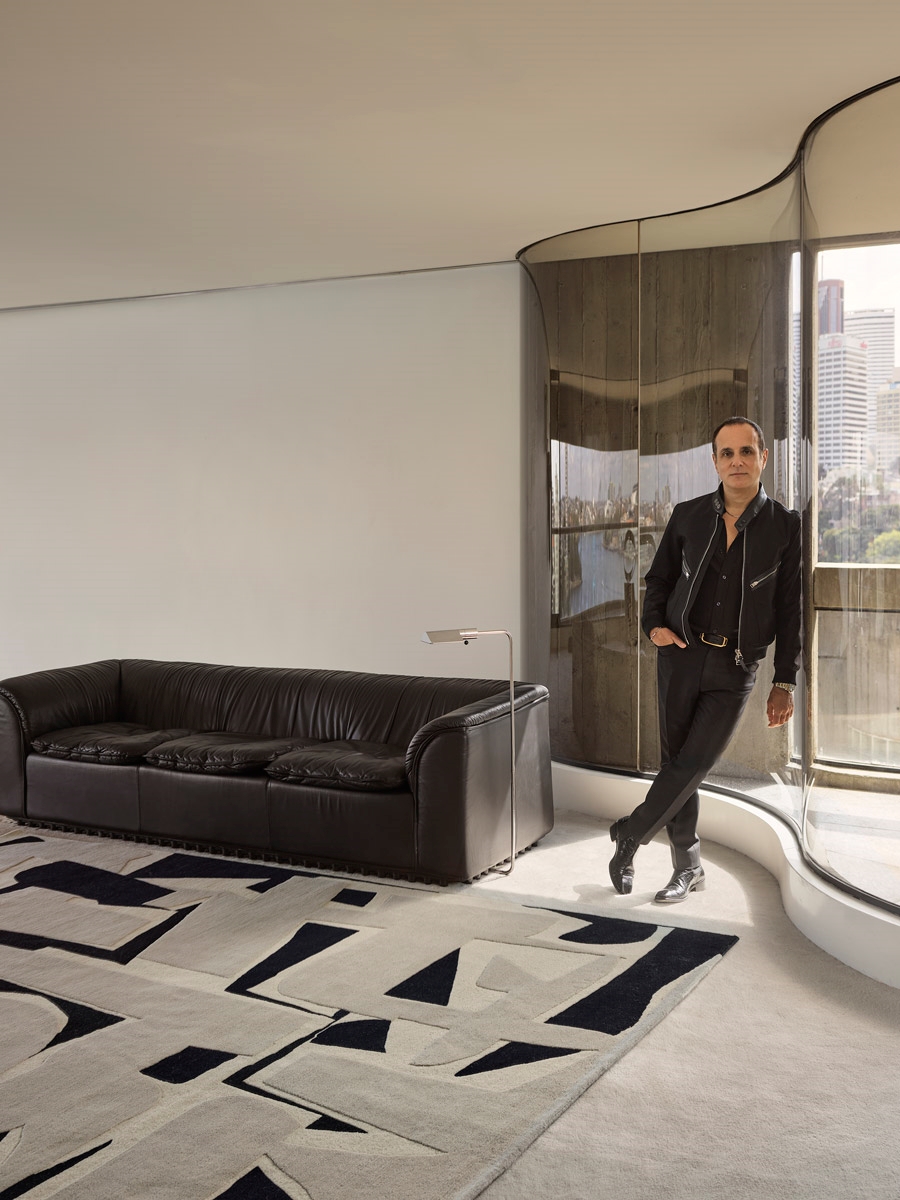
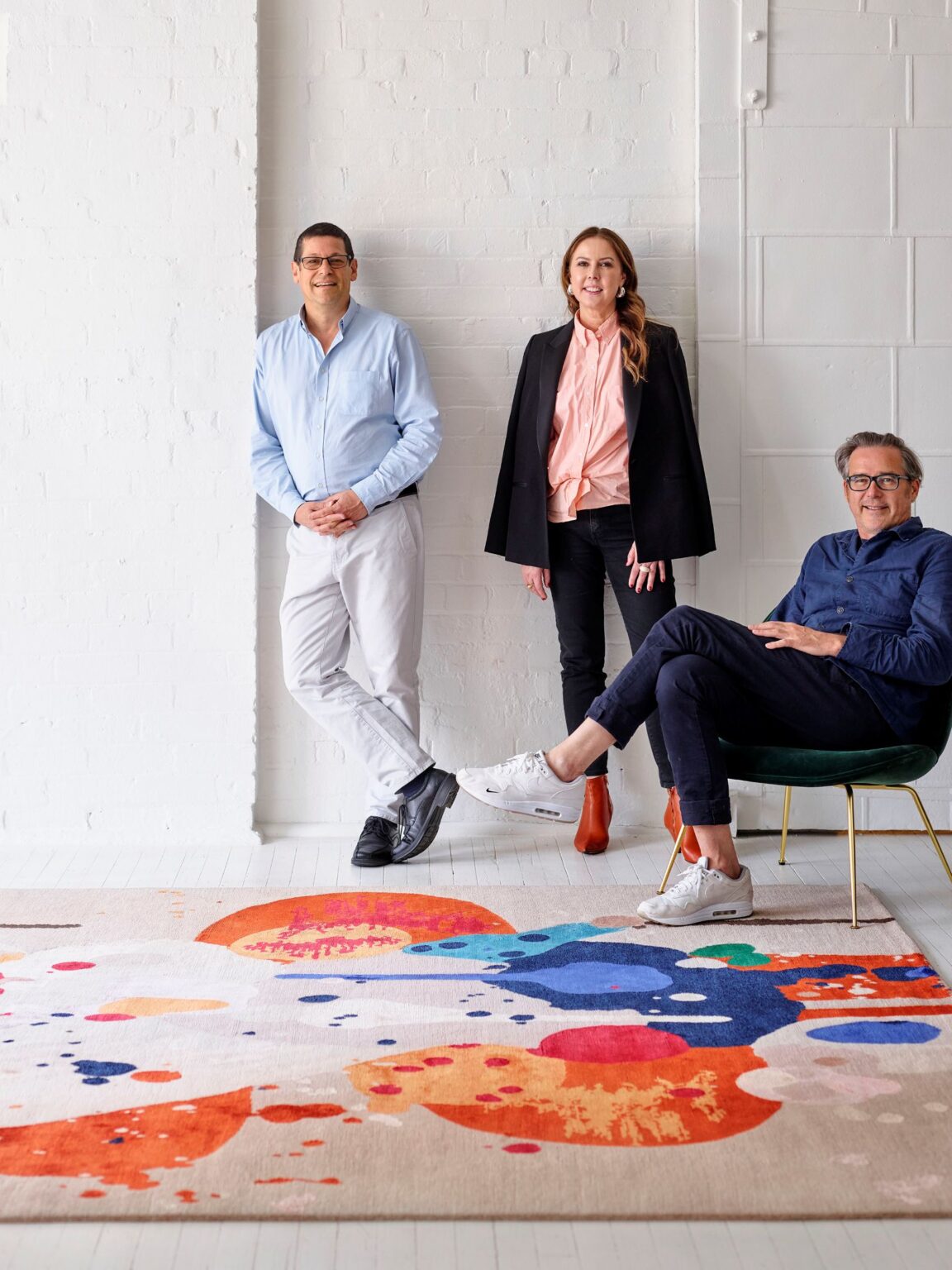
In 1986, Yosi Tal and his parents Eli and Nurit set up a hand-tufting studio in Marrickville with no industry background, no roadmap and no real certainty it would work. What they had was a clear-eyed frustration with what was on the market, and a conviction that Australian interiors deserved something far better. The rugs being imported at the time were uninspired, generic and had no relationship to the country they were landing in. The Tals looked at that and decided to change it. Forty years later, their work is in embassy walls, heritage theatres, private island resorts and some of the most talked-about hotel interiors in the world. It turned out they were right.
The early days were exactly what you'd expect from a family starting something from scratch, and something more. A hand-tufting studio in Marrickville, a showroom in The Rocks, and a very firm sense of purpose that gave everything direction from day one. What the Tals had, and what no amount of industry experience could have given them, was an outsider's perspective and the creative courage to act on it. They looked at the rug market and saw a category that had stopped trying. Then they set about changing it.
The results came quickly. That first year, St Patrick's Cathedral in Melbourne commissioned a custom piece to mark Pope John Paul II's Australian visit. For a studio that had only just opened its doors, it was the kind of commission that confirms you are onto something real. Yosi himself has described those early years as "sheer luck and serendipity," but the quality of the work told a different story. Parliament House followed in 1988, ahead of the Queen's Bicentennial, commissioning a bespoke rug for one of the most scrutinised interiors in the country. Within two years, the work was inside two of the most significant spaces in Australia, and a reputation built on genuine quality and design integrity was already well underway.
The technique at the heart of those early pieces was hand-tufting, chosen deliberately for the remarkable design freedom it allows. Each rug built by hand, pile by pile, with a level of precision and artistry that machine production simply cannot replicate. That commitment has never wavered. Every piece that leaves the studio today is still made the same way, by people who understand that the quality of the finish is the brand, and who take pride in upholding it.
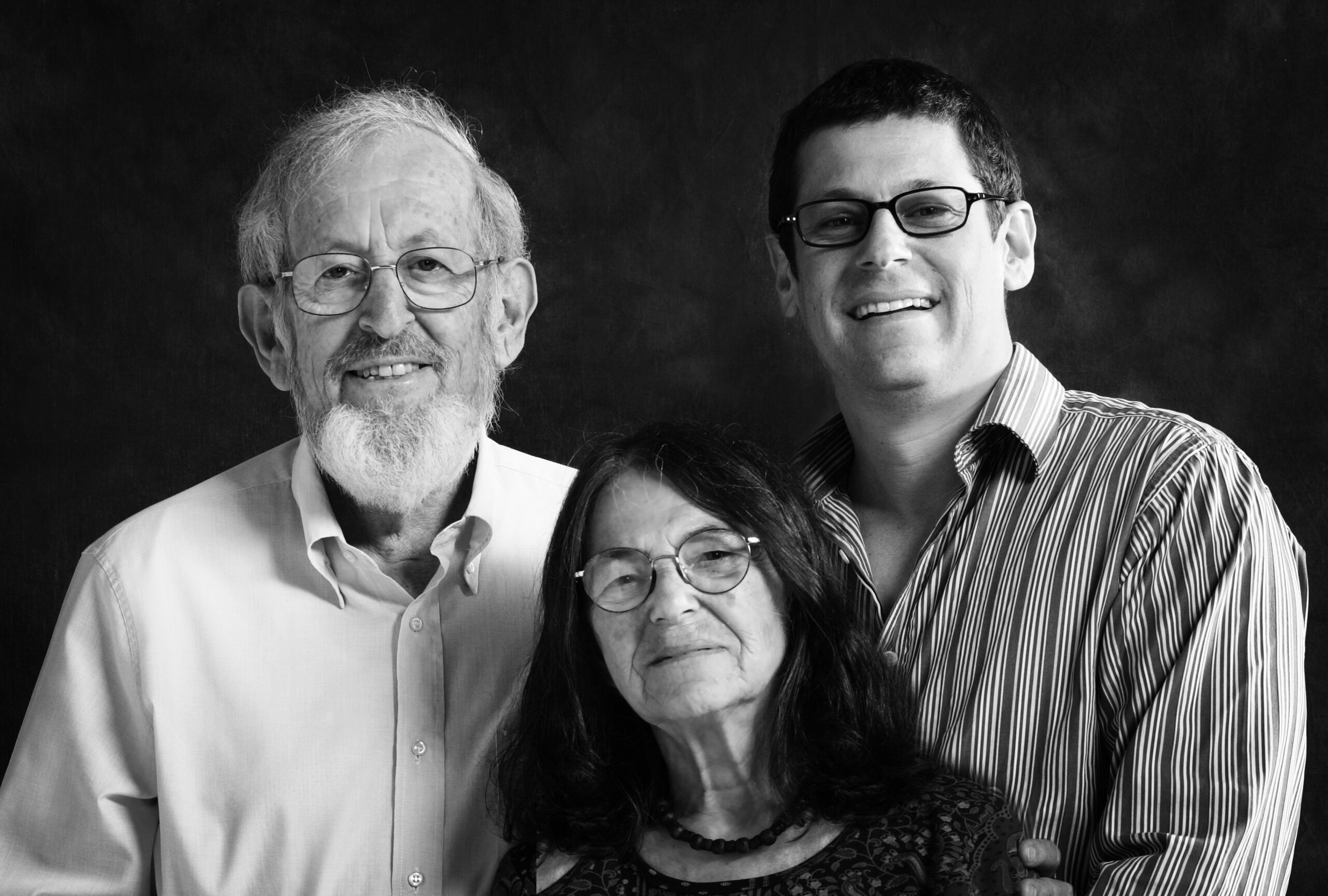
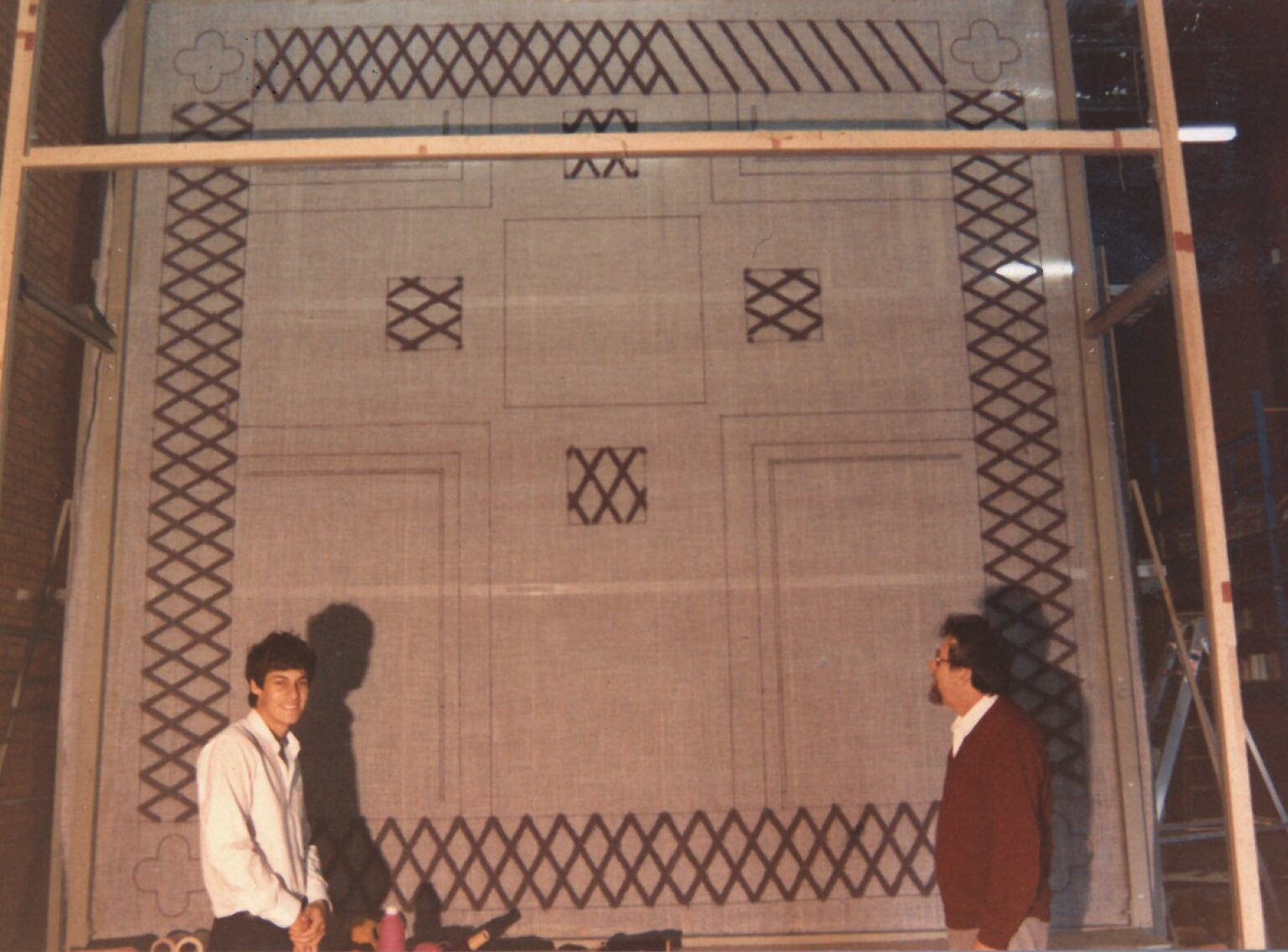
The collaboration model that Designer Rugs became known for didn't emerge from a strategy session. It grew from a genuine curiosity about what could happen when the right creative people were given access to the right materials and expertise, and the freedom to explore without limits.
Harry Seidler came on board during this period, one of the first major architectural partnerships, and it set a template the company has followed and refined ever since. Seidler grasped immediately what the best designers always do. The floor is not a finishing touch but an architectural surface in its own right, a plane that shapes how a room is experienced, how light moves through it, how a person feels within it. That thinking elevated everything that followed.
Linda Jackson, whose practice had long drawn on Australian flora and the country's distinctive natural landscape, translated that same deep visual intelligence into textile with remarkable results. Her rug Hibiscus and Hacienda entered the Powerhouse Museum collection, a moment of institutional recognition that confirmed the work had genuinely transcended its category. Alun Leach-Jones, Simon Palmer and Annie Georgeson each brought their own distinct perspective to collections that felt alive with new thinking rather than simply producing a new product.
The brand was travelling too. Australian Embassy commissions arrived in Tokyo and Paris, and the Australian High Commission in Hong Kong, each one a meaningful marker of how far a reputation built on quality and integrity can reach. By the end of the decade, collaborating with artists and designers from entirely outside the rug industry had stopped being a point of difference. It was simply how Designer Rugs operated, and the results spoke clearly for themselves.
The 2000s brought a vibrant new creative energy, and Designer Rugs embraced it fully. Akira Isogawa, whose fashion work had attracted sustained international attention for its refined sensibility and quiet precision, designed his first internationally acclaimed rug collection for the brand. It remains one of the most celebrated collaborations in the company's history, and it worked because both parties brought something the other didn't have, and trusted each other enough to let that show.
Dinosaur Designs brought their distinctive material intelligence to a collection showcased at the Tim Olsen Gallery in Sydney. Julie Paterson of Cloth and Georgia Chapman of Vixen launched exclusive ranges that added new dimensions to the Designer Rugs story. A limited edition collection by the late Indigenous artist Minnie Pwerle was introduced with the deep care it deserved, placing one of Australia's most significant visual traditions in beautiful conversation with contemporary interiors. A Wedgwood limited edition followed, presented in the presence of Lord Wedgwood himself, a moment that spoke to the remarkable cultural ground Designer Rugs had come to occupy.
The Biennale of Sydney placed the brand's work across the city. The Grand Hyatt Melbourne came on board for a major refurbishment. A showroom opened in Auckland through a partnership with Corporate Culture. The Floored student design competition, run in partnership with TAFE NSW, invested meaningfully in the next generation of surface designers at a time when most businesses in the category were focused purely on product. All of it reflected the same generous, outward-looking sensibility: a brand that understood its audience deeply, cared about the broader design culture it was part of, and kept showing up with real intention in the places that mattered.
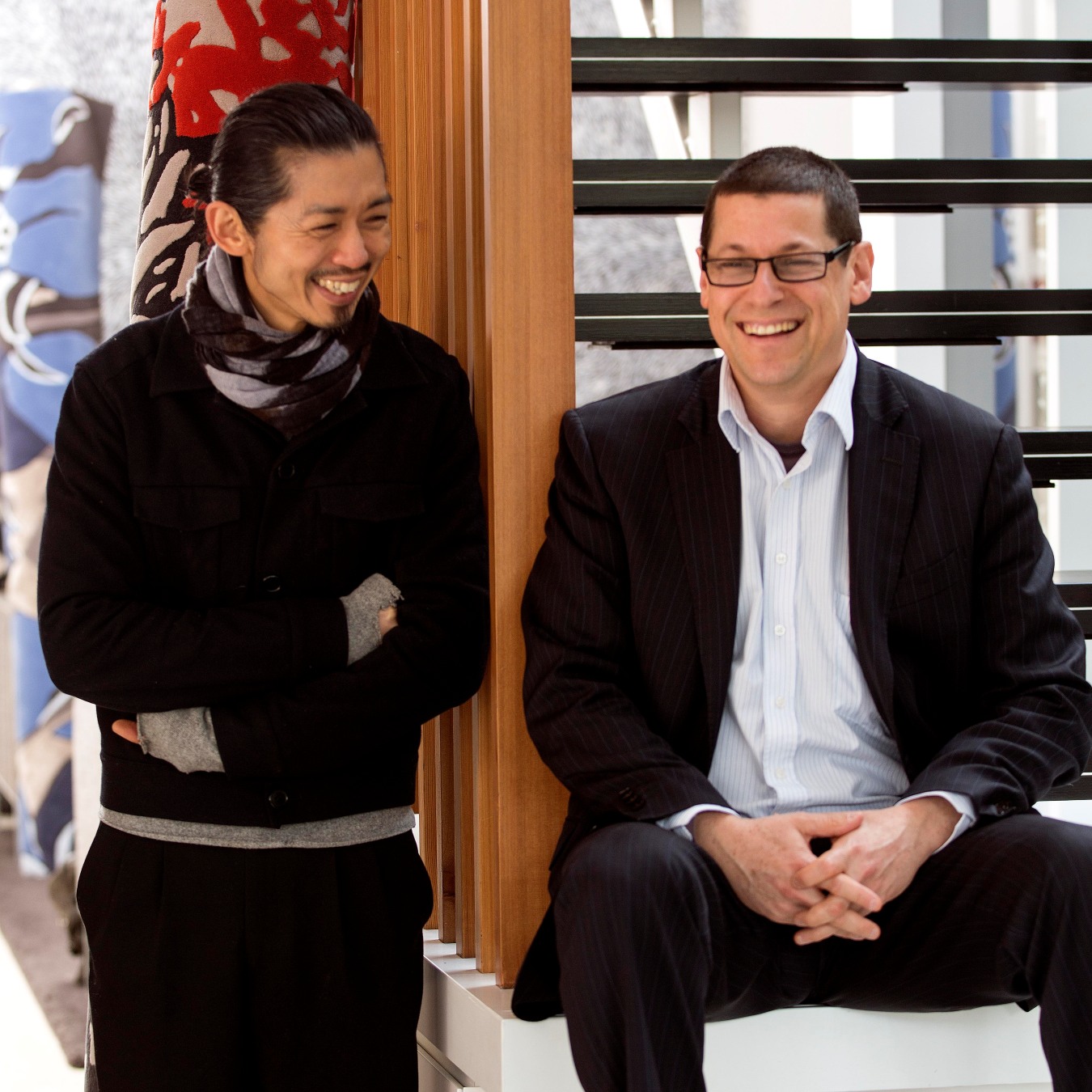
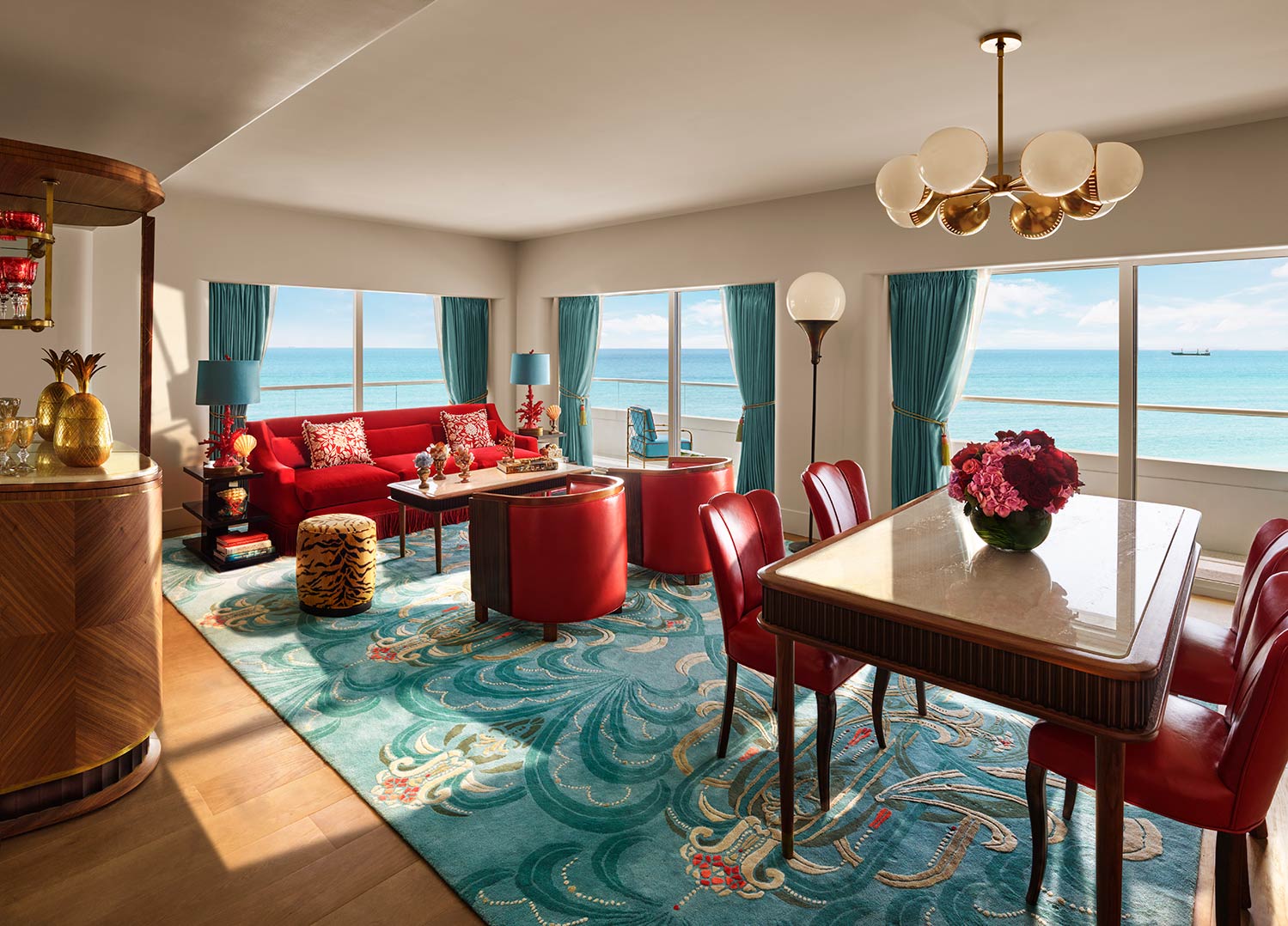
There are certain commissions that don't require explanation. The Faena Hotel Miami Beach is one of them. Catherine Martin brought Designer Rugs into that project through her extraordinary collaboration with Baz Luhrmann on The Great Gatsby, a film whose production design set a visual benchmark the industry is still referencing. The Faena commission followed naturally, placing Designer Rugs work inside one of the most celebrated hospitality interiors of the decade. That is not the kind of recognition you engineer. It is what arrives when you do excellent work, consistently, over a very long period of time.
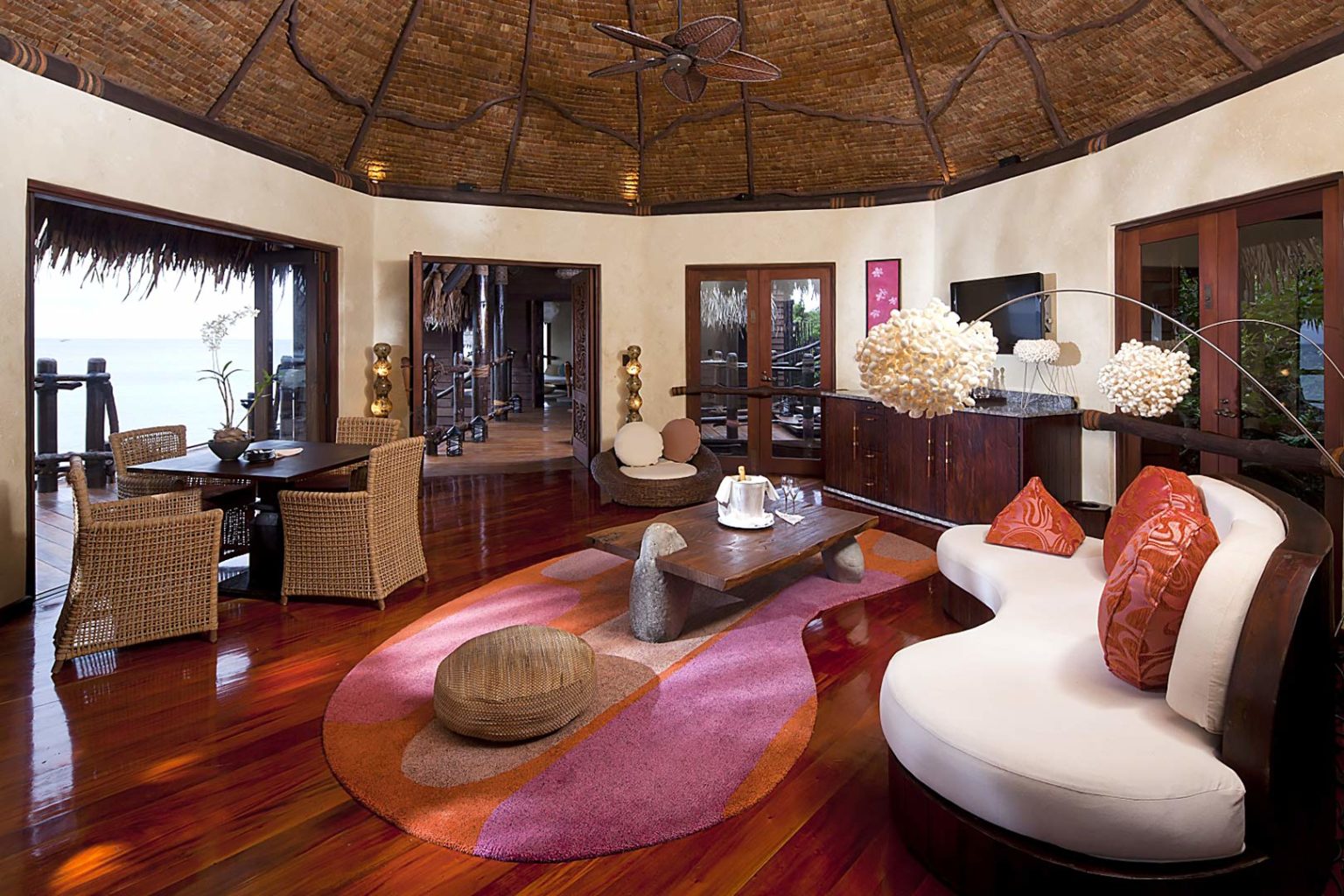
Laucala Island Resort in Fiji commissioned more than sixty bespoke pieces for a property where the expectations around design are as high as they come. Greg Natale launched a collection that brought his signature maximalist precision to the floor with tremendous effect. Alex Perry contributed a fashion designer's refined eye for proportion and line. The Emirates One&Only resorts at Hayman Island and Wolgan Valley added further to a client list that was by this point genuinely international in scope and standing.
The State Theatre restoration holds a special place in the company's history. To recreate the original 1928 carpet using archival material, with absolute fidelity to a heritage-listed space of deep cultural significance, required a level of technical expertise and historical sensitivity that very few studios anywhere in the world could have brought to it. It had never been done before. Designer Rugs did it beautifully. That project remains one of the most quietly extraordinary achievements in the company's forty-year story.
The Evolve Awards also launched during this decade, an industry design competition that positioned Designer Rugs not simply as a manufacturer but as an active and generous participant in the larger conversation about where Australian design was heading and who would lead it there.
Something wonderful happens when a business reaches forty years. The portfolio begins to speak for itself in ways that go beyond any individual piece or project. Client relationships deepen into genuine partnerships. The younger architects and designers who grew up knowing Designer Rugs as the benchmark are now specifying it for their own most important projects, and introducing it to a new generation of clients who will carry it forward. That kind of enduring trust and loyalty is the most honest measure of what a brand has built.
The in-house design team now carries more than forty years of collective expertise across hand-tufting, hand-knotting in Tibetan wool and fully bespoke custom solutions across a comprehensive range of premium materials. The bespoke offer has grown in scope and sophistication alongside a market that has matured considerably. Today's clients are exceptionally informed and discerning, and they invest with confidence in pieces of genuine longevity, pieces that will define their interiors for decades rather than seasons.
The founding idea has not changed, and that is perhaps the most remarkable thing of all. Work with people who care. Make things properly. Bring the same standard to every commission regardless of scale. Simple in principle, genuinely rare in practice across four decades of evolving tastes, technologies and market pressures. The fact that it remains the living philosophy of the business is what forty years of sustained excellence and global reach actually looks like. A design legacy four decades in the making. Beginning in a Marrickville studio in 1986, carried forward by a family with a clear vision and the courage to hold it, and still being written today with every handmade piece that leaves the studio.
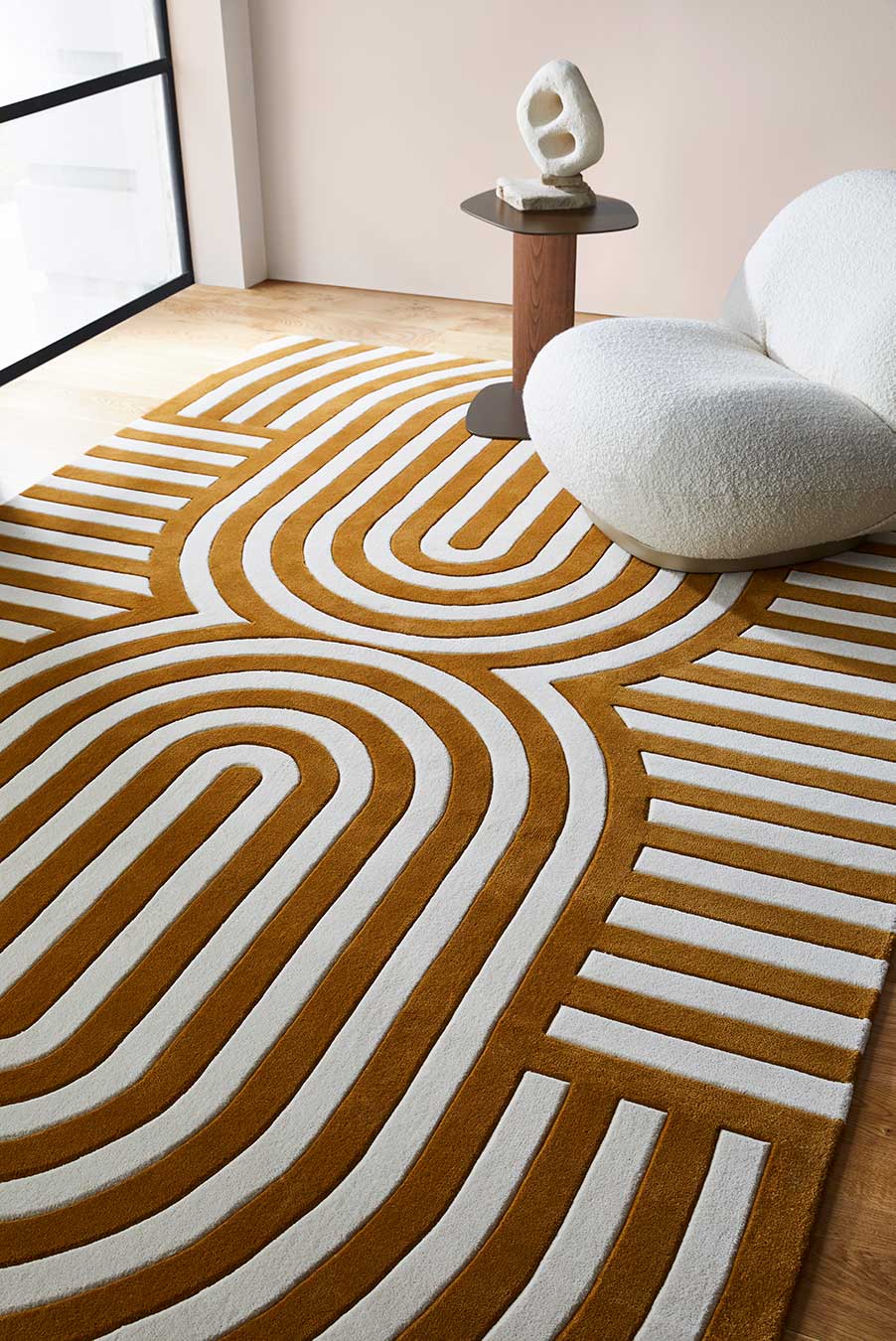
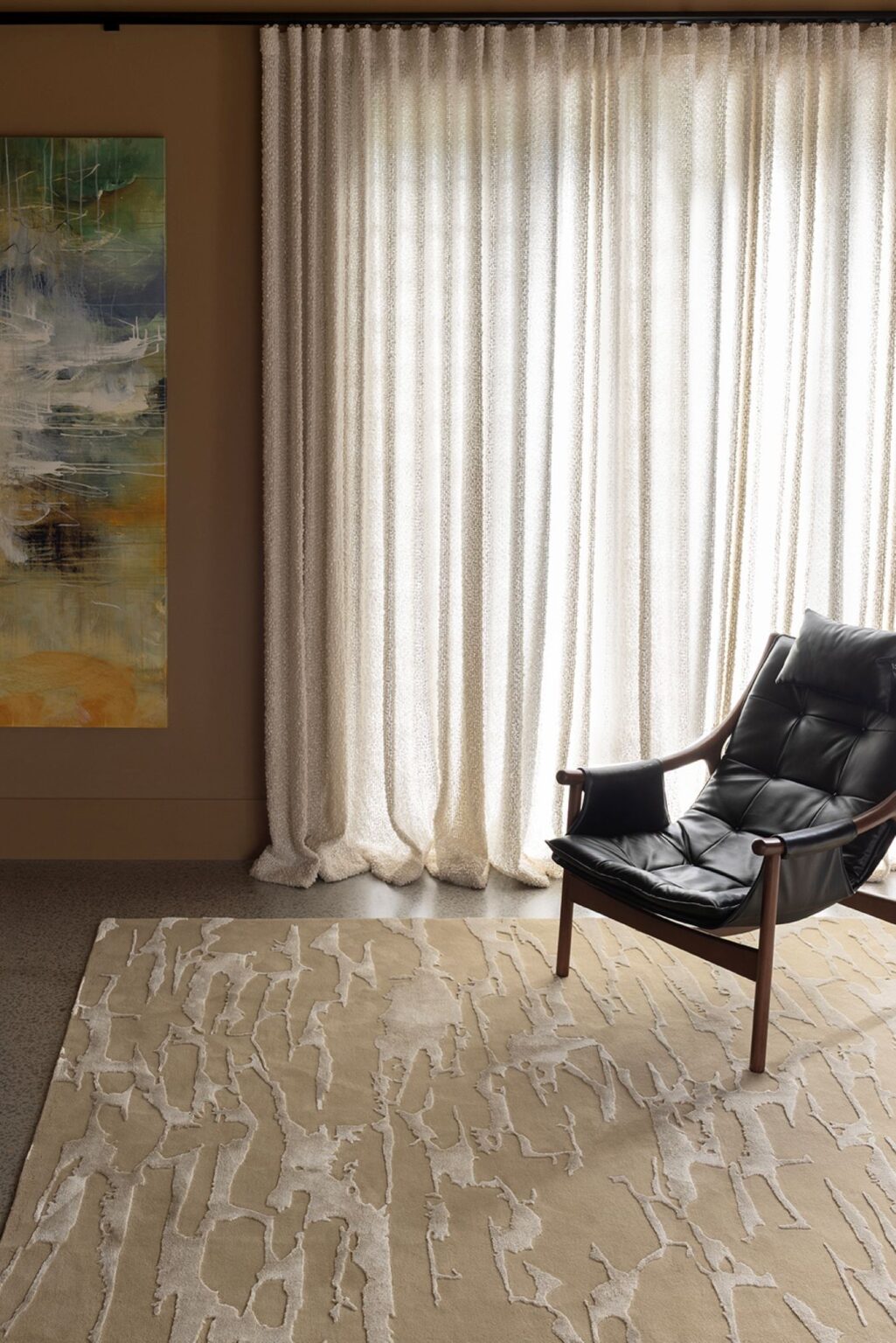
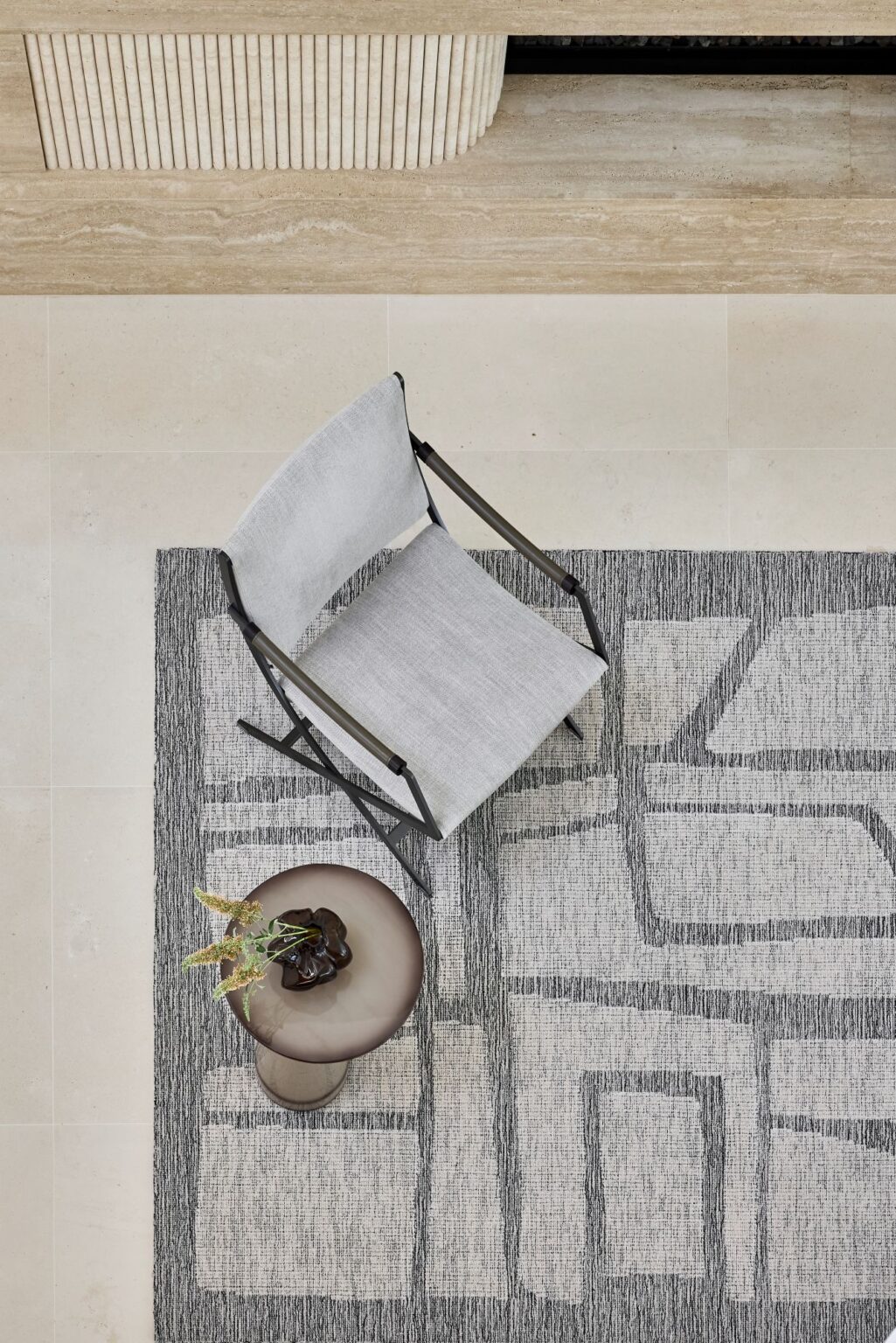
Designer Rugs is Australia’s premier destination for luxury custom rugs and bespoke carpets. Founded in Sydney in 1986 by the Tal family, the company has built a legacy of design excellence across residential, hospitality and commercial sectors worldwide. With an in-house design studio, handmade production and an unparalleled global reach, Designer Rugs delivers extraordinary, tailored creations for the world’s most discerning interiors. Showrooms are located in Sydney, Melbourne and Brisbane. Beyond the studio, Designer Rugs has long been committed to nurturing emerging design talent through the Evolve Awards and educational programs with TAFE and UNSW. The company has also supported Australian charities for over 30 years, donating to organisations including OzHarvest, Fred Hollows and the Royal Hospital for Women.
Join the Designer Rugs Community
Disclaimer: By signing up, you agree to receive emails & text messages from Designer Rugs, including updates, promotions, and other relevant content. We respect your privacy and will never share your information with third parties. You can unsubscribe at any time by clicking the link at the bottom of our emails.
 1300 802 561
 International Enquiries
 Showrooms